
 Neon Art
 GOD ACRYLIC PHOTO MOUNTS
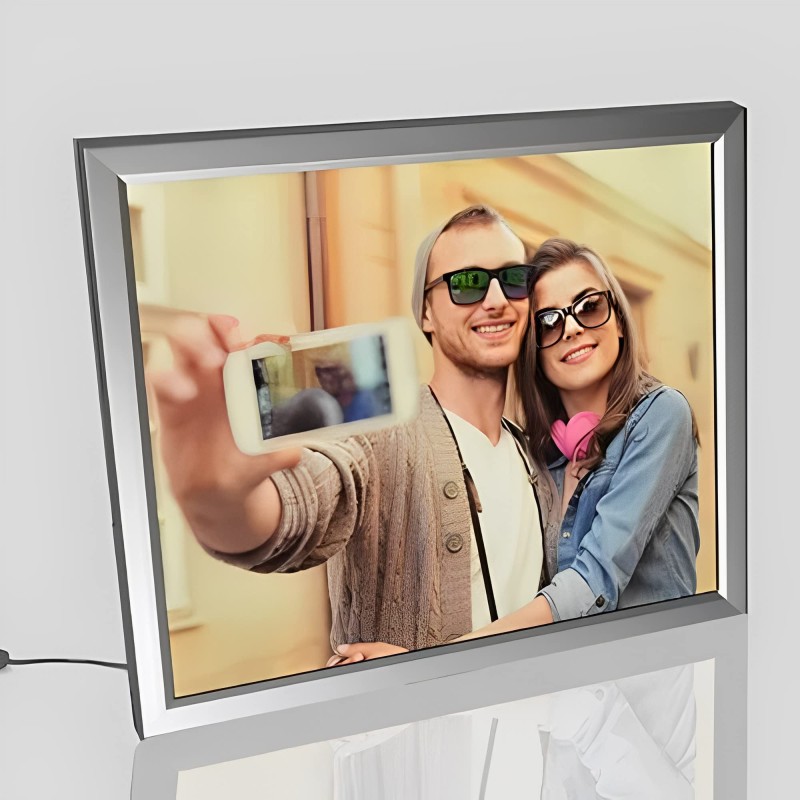 LED PHOTO FRAMES
 POSTER PRINTS
 VINYL PRINTS
 ACRYLIC PHOTO FRAME
 CAR INTERIOR
 TABLE TOP ACRYLIC PHOTO FRAME
 4 X 6 INCH PHOTO PRINT
 TABLE TOP PHOTO
 COFFEE MUG PRINT / MUG PRINTING
 FRIDGE MAGNETS
 PHOTO PRINTS
 CANVAS PRINTS
 TABLE TOP CANVAS
 5 PIECE CANVAS WALL ART
 CANVAS FLOATER FRAME
 ACRYLIC LOGO MOUNTS
 WELCOME BOARDS
 STICKERS
 HOUSE NAME PLATES

© 2025 - 2026 | KD Arts - All Rights Reserved.
Crafted by OF2ON
Find quick answers to the most common questions our users ask.
We accept major credit and debit cards (Visa, MasterCard, American Express), UPI, net banking, and digital wallets like PayPal, Google Pay, and Apple Pay.
Yes. We use secure SSL encryption and trusted payment gateways to ensure all transactions are safe and your financial information is protected.
Depending on your location, Cash on Delivery may be available. COD is typically limited to domestic orders and may have order value restrictions.
After completing payment, you will see a confirmation page and receive an email with your order details. If you don’t receive confirmation, contact our support team.
DIY electro refers to creating, building, or modifying electronic circuits and devices yourself. It can include projects like making sensors, LED displays, robots, Arduino-based gadgets, and more. It’s both educational and a fun way to learn about electronics.
No prior experience is required! Many beginner-friendly kits come with step-by-step instructions. Starting with basic projects like LED blinkers or simple circuits is a great way to build foundational skills.
Common tools include a soldering iron, multimeter, wire cutters/strippers, screwdrivers, breadboard, jumper wires, and sometimes a power supply. As you advance, you may need oscilloscopes or programming tools.
Yes, most beginner DIY electronics projects are low-voltage and safe when used properly. Always follow safety instructions, avoid short circuits, and supervise children during projects.
Frequently used components include resistors, capacitors, LEDs, diodes, transistors, microcontrollers (like Arduino or ESP32), sensors, motors, and switches.
Check each component individually, ensure correct wiring, measure voltages with a multimeter, and test your code (if using microcontrollers). Online communities are also a great resource for troubleshooting tips.
if product is out of stock we can notify to the admin

2nd Floor, Upstairs, S.V.Gym, c/o Sagely Business Solutions Pvt Ltd, R.C.Road, near Palani Theatre, Tirupati, Andhra Pradesh 517502

